Dyslexia Assessments
Dyslexia
Dyslexic learners work hard at tasks which their peers seem to find so easy, whether that be spelling, reading fluently, writing, processing information or completing tasks in a timely fashion. Dyslexic learners may become frustrated at having to work harder than their peers and yet not be able to achieve what they believe they are capable of. This frustration may also prevent a dyslexic learner from seeing their natural strengths in, for example, communication, creativity, imagination or problem solving.
Dyslexia Assessment
If you feel you or your child is struggling with reading, spelling or writing, a comprehensive dyslexia assessment helps identify whether this is due to dyslexia and provides insights to help understand a person’s strengths and weaknesses. A dlysexia assessment is not just about identifying a learning difference-it’s about understanding how an individual learns and providing the right support to ensure they thrive academically and emotionally. It can be used to build targeted interventions, greater self-confidence and a more positive educational or work experience.
Who am I?
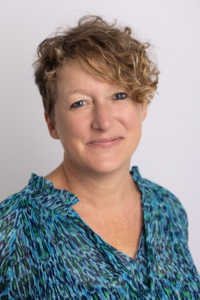
My name is Carrie Clarke. As an English teacher working with struggling students, I saw how difficult it was for learners with literacy difficulties to access the curriculum. Students who struggled to read learnt ways to mask their difficulties. I worked with disaffected learners who had no specific diagnosis but their difficulties with reading reduced access to the curriculum, causing them to become frustrated and develop low self-esteem, thinking they are “bad” at school or “not smart”. After training as a Dyslexia Assessor and having the knowledge to identify dyslexia in children, I saw how helpful a diagnosis was, providing a concrete explanation for their struggles and a reduction in feelings of frustration.
Having qualified as a Dyslexia Assessor, I worked for Helen Arkell Dyslexia Charity and trained Specialist Teachers to support learners in class which further provided a detailed understanding of what challenges dyslexic learners face on a daily basis in class. I then branched out and set up ‘Red Lion Assessments’. Being registered with PATOSS (Professional Association of Teachers of Students with Specific Learning Difficulties), being an Associate Member of the British Dyslexia Association (AMBDA) and being registered with the Information Commissioner’s Office, ensures that I have the current qualifications, expertise and knowledge to help your child understand their strengths and challenges.
How do you get an assessment?
When you request an assessment by calling Westcountry Practice, your contact details will be taken and you will be sent two questionnaires to complete-one for you and one for the school. Once the completed questionnaires have been returned, an assessment date will be secured.
What happens after the assessment?
A detailed report will be sent to you within three weeks of the assessment, outlining how your child responds to tasks, along with their strengths and challenges. If applicable, the report will include identification of dyslexia. Even if dyslexia is not diagnosed, the report will still be valuable, offering supporting recommendations for strategies, accommodations, and interventions to enable you to understand how to work with your challenges and personal set of unique skills.
Please get in touch if you have any further questions or would like to arrange a Dyslexia Assessment for your child.